Your First Simple Button
Before creating any controls, it helps to think about what you actually need on the dashboard. To begin, we will walk through setting up a handful of TV channels as one-touch buttons. The specific channels do not matter at this stage, as long as you have a rough idea of which ones you want and know their numbers from the Sky TV Guide or EPG.
It is worth having a channel list to hand for reference, such as this one from TV Channel Lists, which covers all Sky Q channels in the UK and Ireland.
New Dashboard
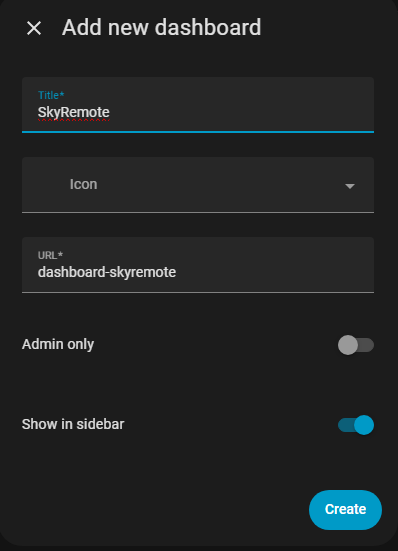
In Home Assistant, start with a fresh dashboard. In a web browser, go to Settings > Dashboards, press the Add Dashboard button and choose to create a new one from scratch.
You can call it whatever you like. The name does not affect how anything works, so just make sure it is something you will recognise.
The dashboard will now appear in the sidebar and you can select it straight away. It will be completely blank, which is exactly as expected.
In the top right corner there are a few options. Click the pencil icon to begin editing.
A Script
The way Home Assistant triggers a channel change on the Sky box is through a script. The real advantage of using scripts here is that you can call the same one from multiple places: a button on a tablet in the home, a remote dashboard, or both. It also makes it straightforward to create similar scripts for each channel you want to add.
As you can see, the commands themselves are very straightforward. One thing to remember here is that you need the Sky box’s IP address again, this time so Home Assistant knows exactly where to send the command.
sequence:
  - action: remote.send_command
    target:
      entity_id: remote.192_168_1_189
    data:
      command:
        - "1"
        - "0"
        - "1"
alias: BBC1 Channel and Counter
description: ""
I have named this script “BBC1 Channel and Counter” for a specific reason: I wanted to keep track of which channels were being used and adjust the selection over time. My relative had never owned a smartphone or used a computer, so the goal was a single screen of buttons with no scrolling required at all.
I will keep the script named that way throughout so that you can follow where the reference appears next.
New Button
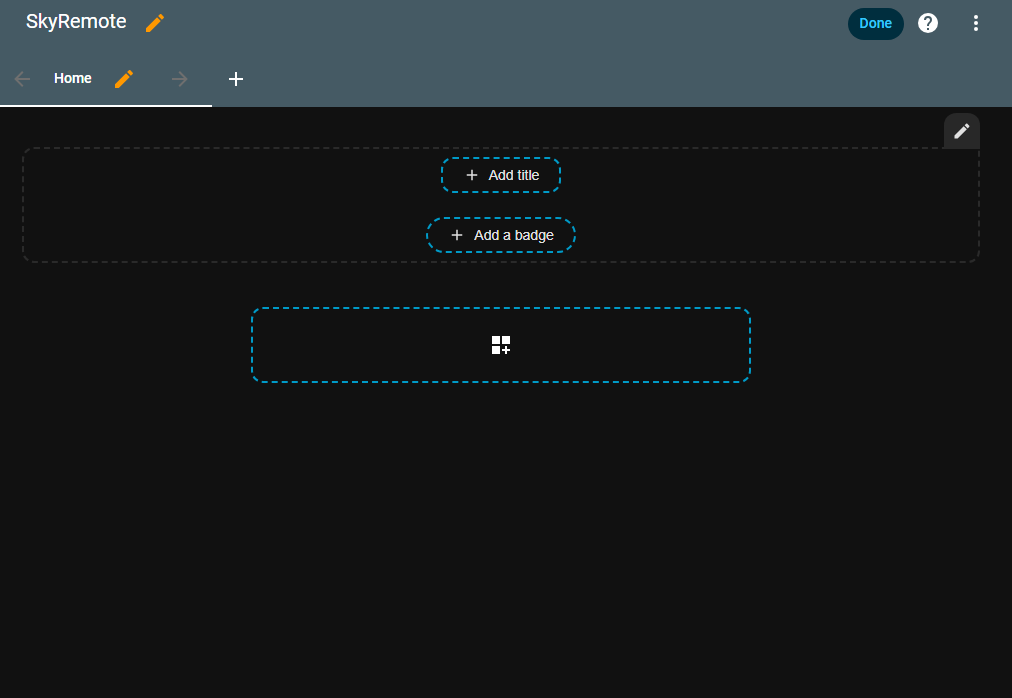
You should now be looking at a blank dashboard. We are going to set up a single button that will change the Sky box to BBC1, which is channel 101 on the programme guide.
On the dashboard you will see three different placeholder outlines that you can click to add things. We want the largest one at the bottom. Clicking it will create a section, which essentially becomes a group of buttons or anything else you add in the future.
A New Section box will appear with a small button outline containing a plus symbol inside it.
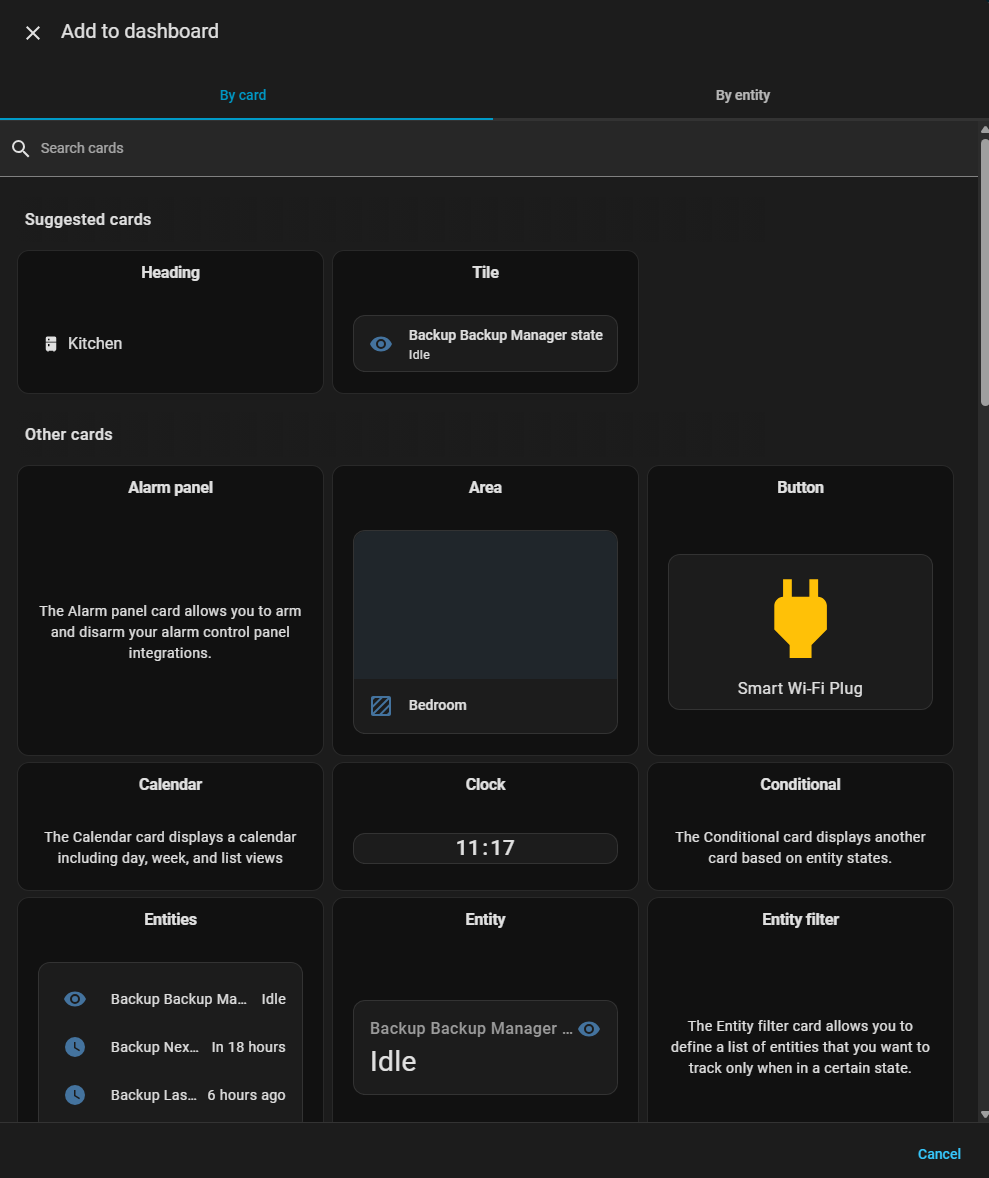
As you can see from this pop-up, there are quite a few options for what you can add. Your list may look slightly different from mine as I have a number of additional features installed that you may not have, and there are also several things included by default on a brand new system.
For this step we want to create a button. In the example shown here, it is suggesting a button connected to a smart Wi-Fi plug, which is something we use elsewhere to protect the battery on our touchscreen tablet.
The principle is the same for any device or script in your system though, so do not let that put you off.
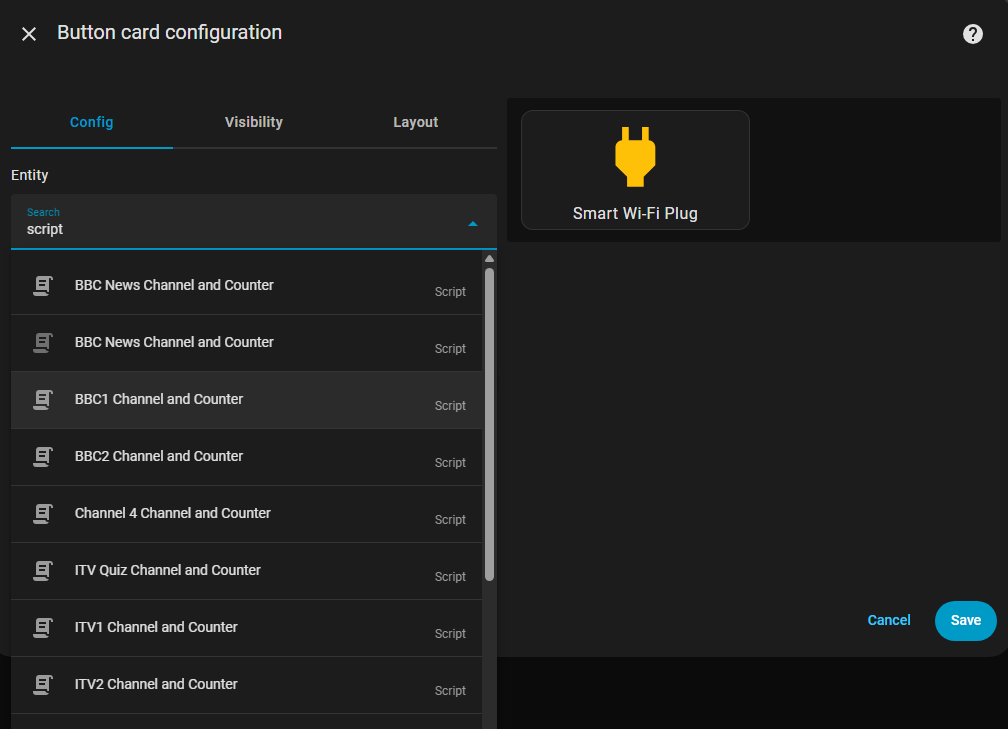
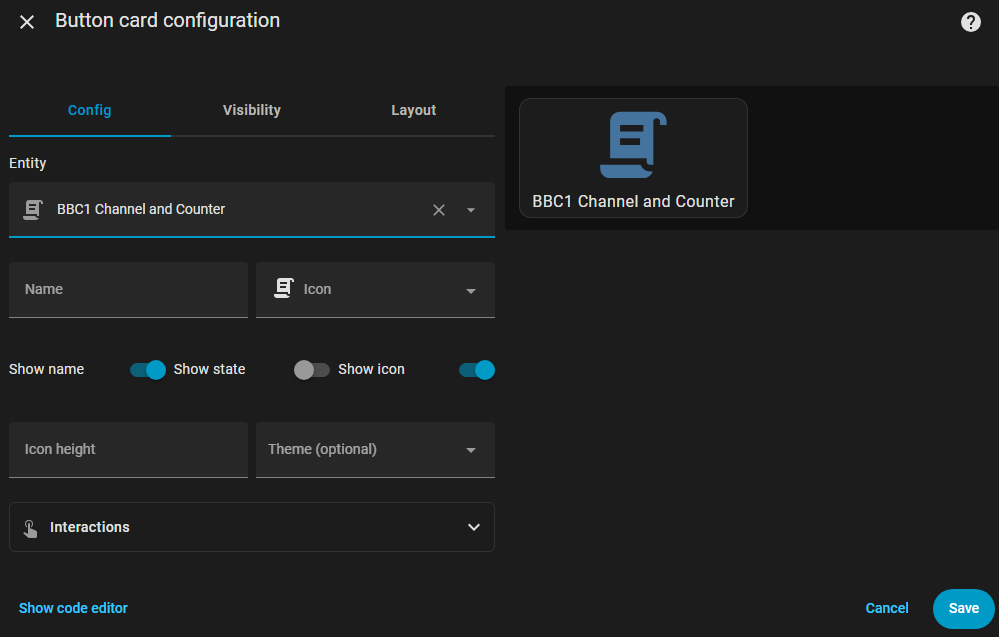
Now simply point the button at the script you created earlier.
Searching is straightforward: start typing the word “script” and the search will filter by both type and name to help you find it quickly.
There are additional features to the button that are worth exploring.
If you are presenting buttons on a smartphone or tablet, experiment with the layout section where you can set the size of each button to suit the screen.
The dashboard is responsive, so what appears on your computer screen will not look exactly the same on a smaller device, particularly when it comes to button size and position.
Your Basic Dashboard Is Ready
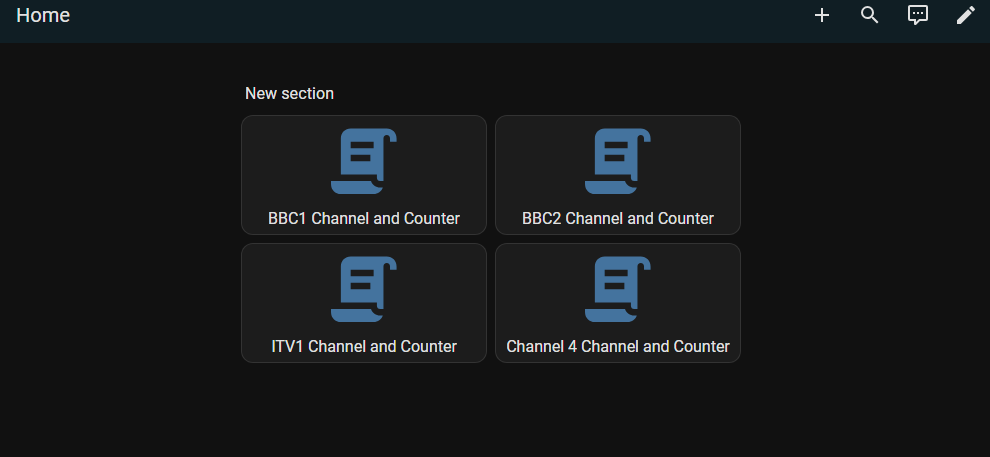
The dashboard is starting to take shape. The screenshot above was taken on a PC without any formatting or spacing adjustments, so your layout may look a little different depending on which device you are viewing it on.
Over the next few pages of this guide I will cover some more advanced ways to make the dashboard look more polished, including swapping out the default script icon for actual TV channel logos.
1 thought on “The SkyQ Project – From Home Assistant to SkyQ Assistant”